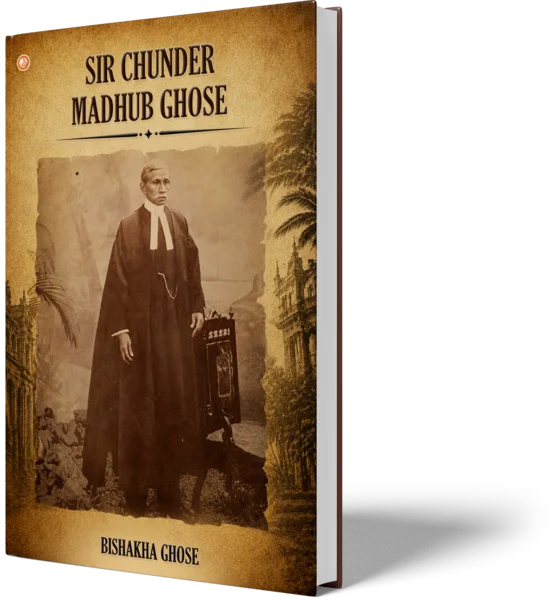
Two books · One author

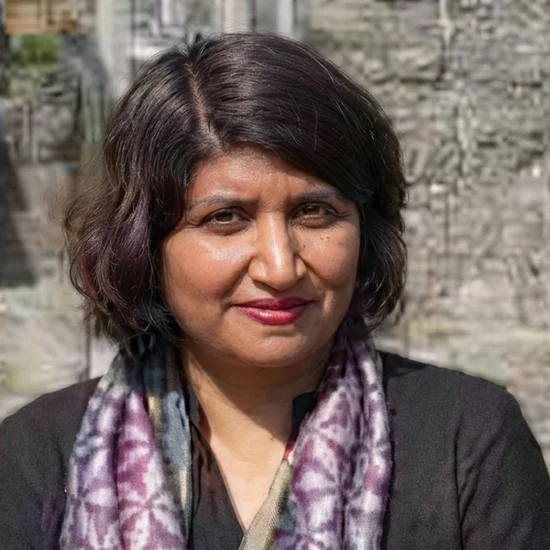
Bishakha Ghose

Museologist · Linguistic Engineer · Author

Stories found in the spaces between borders and generations — a woman's journey across cultures and conflict zones, and the restored chronicle of a legal luminary whose family is rooted in Kolkata.

The books

Two windows onto the world

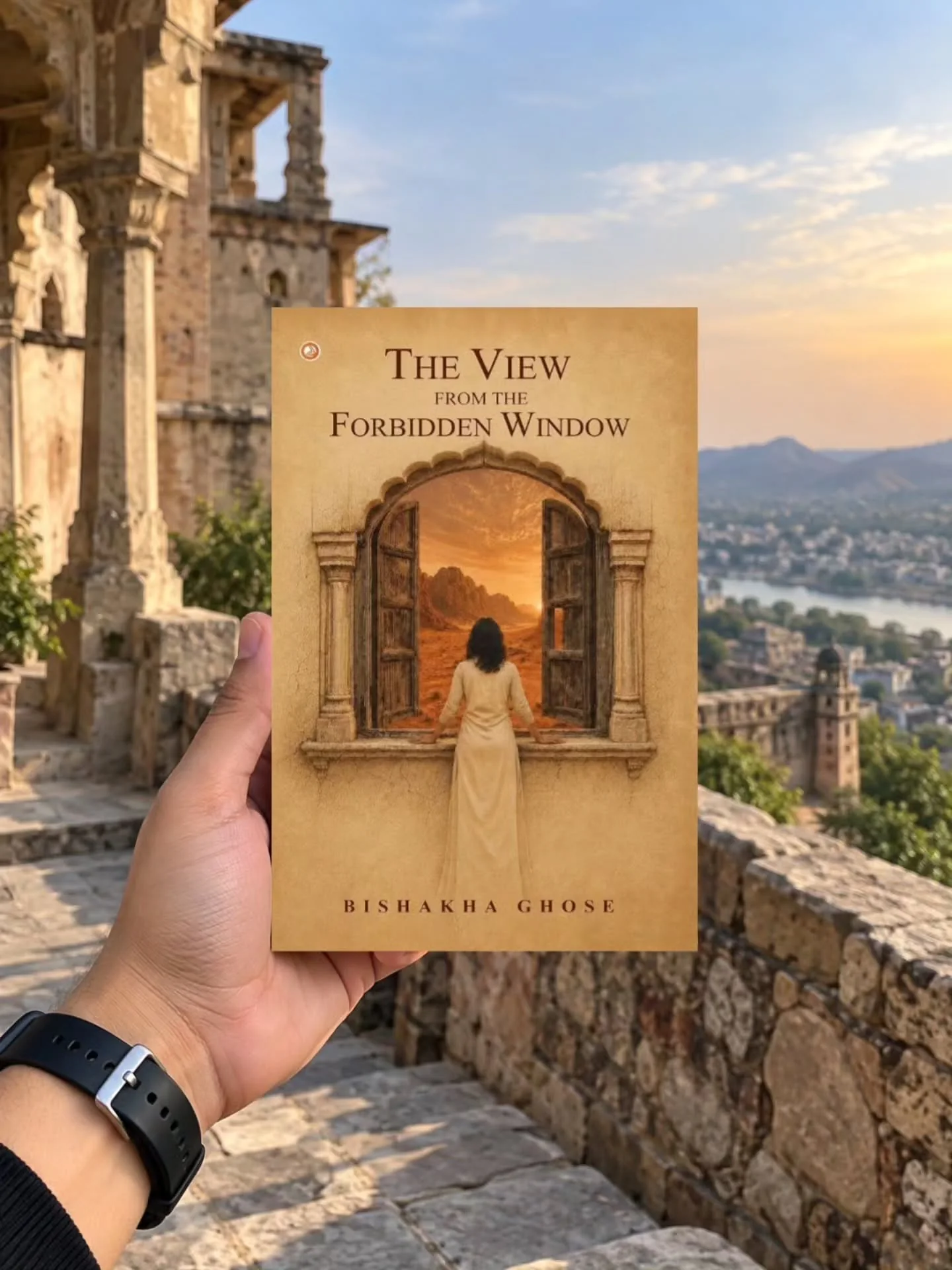
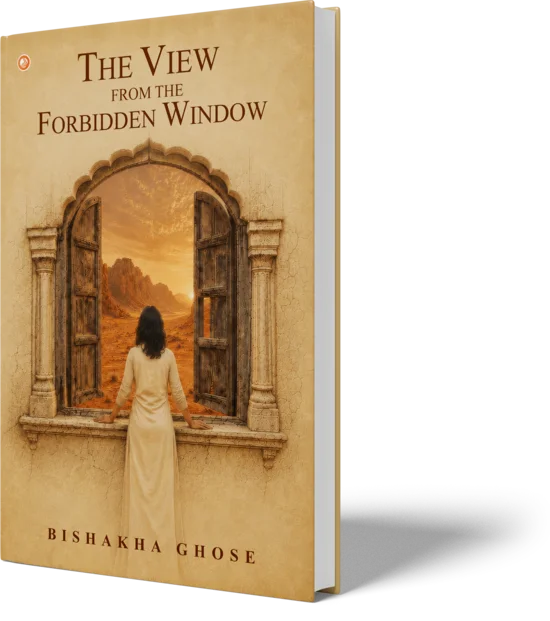
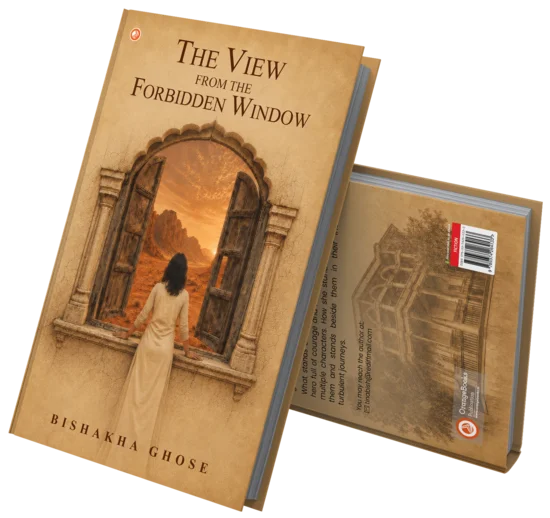
The View From The Forbidden Window — front and back cover

Memoir-fiction

The View From The Forbidden Window

A bold journey through identity, freedom, conflict, love and personal truth across cultures and boundaries.

  1. A bold memoir-fiction hybrid exploring identity, freedom, conflict and personal truth across cultural and geographical boundaries.
  2. The protagonist moves through diverse worlds of linguistic engineering, communications, conflict resolution, financial maneuvering, intelligence gathering and reconnaissance.
  3. Her journey is shaped by an archetypal hero defined by courage, rebellion and an unwavering spirit, represented by multiple characters throughout her life.
  4. She stands beside each of these figures through their turbulent journeys, forming bonds shaped by loyalty, courage, love and shared experience.
  5. Along the way she confronts profound questions of identity, freedom, loyalty, truth, and the boundaries between lived experience and the stories we create.
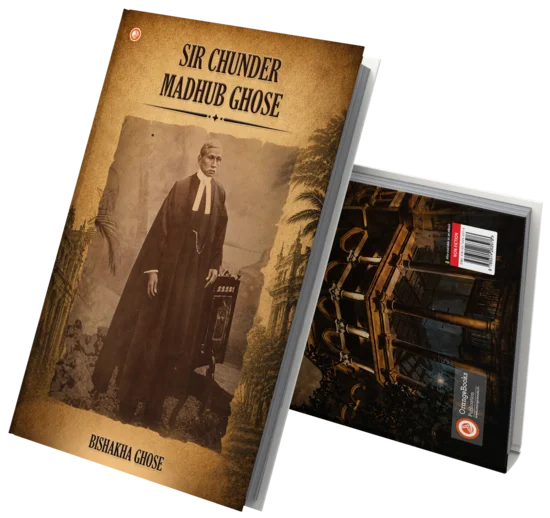
Sir Chunder Madhub Ghose — front and back cover

Historical biography · Restored edition

Sir Chunder Madhub Ghose

A journey through history, law, legacy, and a family rooted in Kolkata.

  1. Traces the history and legacy of one of India's tallest legal luminaries — a story shaped by law, family, heritage and changing generations.
  2. Originally published in 1937 by Sir A. K. Roy, this work has been carefully reworked and republished by Bishakha Ghose for contemporary readers.
  3. Explores a distinguished family whose roots are deeply connected to Kolkata, with glimpses into its history, values, relationships and enduring legacy.
  4. Brings personal history and the broader social landscape together, showing how one family's journey becomes part of a larger historical narrative.
  5. Preserves an important historical account while making it accessible to modern readers interested in law, heritage, family history and India's past.

Official book trailer

The View From The Forbidden Window

A bold journey through identity, freedom, conflict, love and personal truth across cultures and boundaries.

Open on YouTube

Reviews

What readers are saying

As seen on Instagram

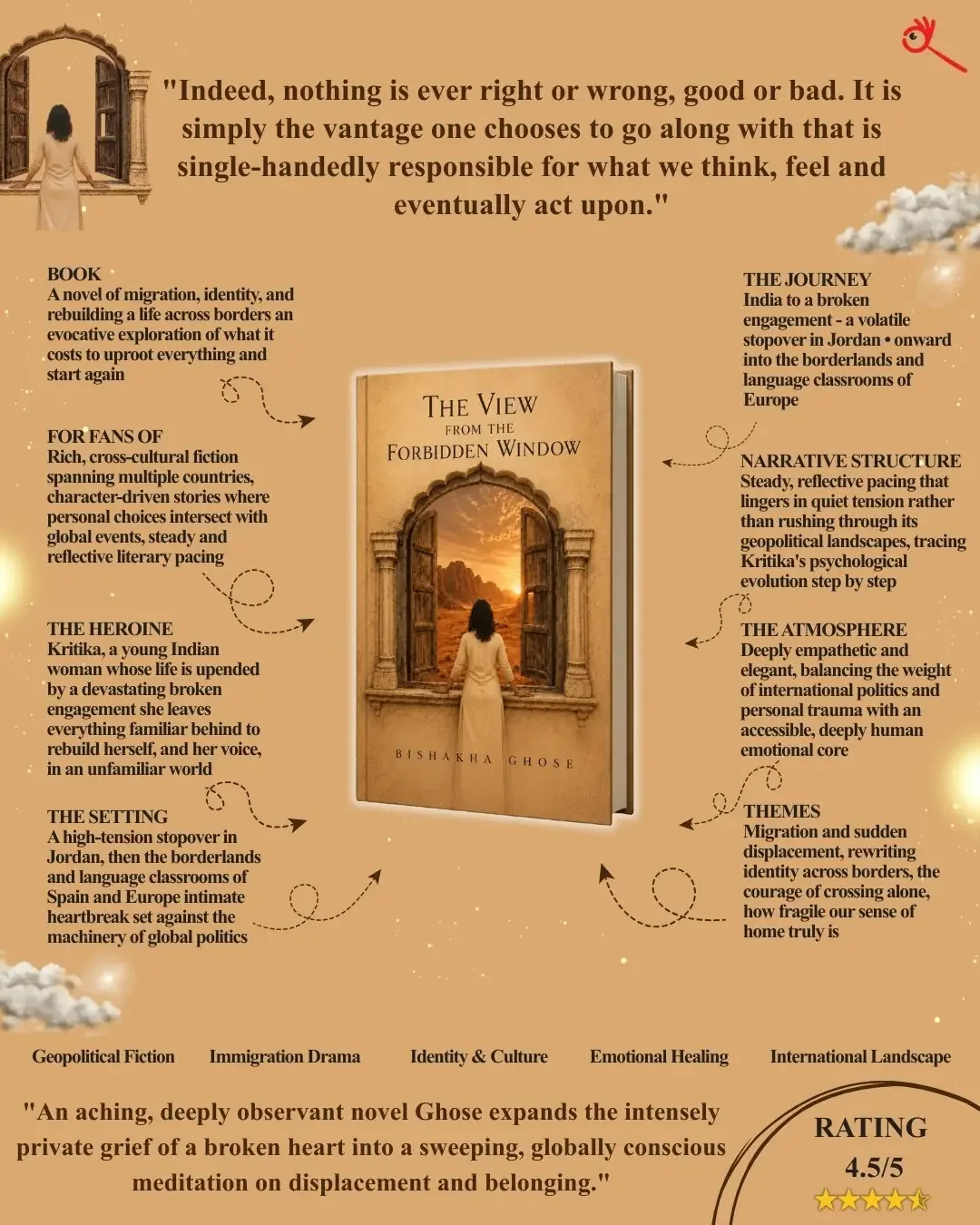
Instagram post by @officialtanishq reviewing The View From The Forbidden Window

The View From The Forbidden Window

More than anything, the book made me think about perspective. Sometimes we don't need to change the world around us. We simply need to look at it through a different window. A layered read about identity, culture, belonging, conflict and the unexpected journeys that shape who we become. Highly recommended.

@officialtanishq

Read the full post on Instagram
Instagram post by @reviewandratingsdotcom reviewing The View From The Forbidden Window

The View From The Forbidden Window

Part memoir, part fiction, and deeply immersive. A bold exploration of identity, freedom, love, conflict, and the search for personal truth. The vibe: atmospheric, intelligent, and deeply emotional.

@reviewandratingsdotcom

Read the full post on Instagram
Amazon

The View From The Forbidden Window

I just finished this and I am still thinking about Kritika. She is such an interesting character; like, she is totally tough when she stands up to some creep harassing people on a metro train in Madrid, but then she is so incredibly sweet, comforting an old Spanish lady who is scared of dying. It made me feel so much. My only real complaint is that her marriage to Ranil basically happens off-screen and just falls apart without much explanation. I wanted more of that personal drama tbh. But the rest of her life across different countries was so cool to read about.

Ankita
Goodreads ★★★★★

Sir Chunder Madhub Ghose

I enjoyed tracing the origins of this remarkable Bengal family, starting from their ancestral roots in Kannauj to Sologhur in the Dacca district. Reading about Sir Chunder Madhub Ghose attending Hindu College and Presidency College before entering the legal field gives a clear look into colonial education during the nineteenth century. Bishakha Ghose has preserved an authentic record of early Indian jurists fighting for professional dignity. My only tiny complaint is that the writing style keeps its original 1937 formal tone, which can feel stiff if you are not used to archival documents. The detailed legal cases and administrative records take some effort to get through, but the historical value is undeniable.

Punam13 Sep 2026
Goodreads ★★★★★

Sir Chunder Madhub Ghose

I picked this up expecting a formal historical document, but I was surprised by how human the courtroom moments felt. I loved the story where District Judge Mr. C. T. Buckland mocked young Chunder Madhub in Burdwan, only for Chunder Madhub to stand his ground with sharp wit and win the judge's respect. Bishakha Ghose did a wonderful job bringing her family legal records into modern print. My only reservation is that the narrative style remains very vintage and dry in places. The long lists of dates, ancestral connections, and administrative details can slow down your reading speed. Still, if you appreciate genuine Indian legal history, it is a very satisfying read.

Deified Publications13 Sep 2026
Goodreads ★★★★★

Sir Chunder Madhub Ghose

It is rare to read a historical biography that spans across two whole centuries of a single family line. I found myself fascinated by how the book connects Sir Chunder Madhub Ghose, a Puisne Judge of the Calcutta High Court in the nineteenth century, to his modern descendants like Vice Admiral Barin Ghose and Chandi Prasad Banerji who helped develop Modern Bread. Bishakha Ghose has curated a detailed look at how integrity gets passed down through generations. I will say that the prose feels very traditional and academic at times. If you want a fast fictional story, the administrative records and long lists of names might feel a bit heavy. But for history lovers, this is a real gem.

Ankita Sharma13 Sep 2026
Goodreads ★★★★★

Sir Chunder Madhub Ghose

What struck me most while turning these pages was how honest the book is about personal failure and grief. When Sir Chunder Madhub Ghose lost his six-year-old son Jnanendra to dysentery in 1865, his grief caused his legal practice to suffer as clerks mishandled clients. Seeing him realize his mistakes, clean up his office, and work his way back up in Behar and Bengal felt deeply honest. Bishakha Ghose restored this original 1937 manuscript written by Sir A. K. Roy with great care. The book can feel quite dry when it lists long genealogical records, so it demands patience. However, the legal details and personal grit make it worth your time.

Bhanu Srivastav13 Sep 2026
Goodreads ★★★★★

Sir Chunder Madhub Ghose

As someone who reads a lot of historical memoirs, I loved learning about Sir Chunder Madhub Ghose's rise from a young pleader in the Sudder Dewani Adalat to serving twenty-two years as a Puisne Judge and officiating as Chief Justice of Bengal in 1906. Bishakha Ghose provides a detailed record of Indian legal history that rarely gets highlighted in standard history books. The real strength here is the accurate preservation of court cases and family records. On the flip side, the document-style layout can feel dense, especially when the text moves through long catalogues of names and dates. If you enjoy authentic legal archives, you will appreciate what this book brings to light.

Monika Ranjan13 Sep 2026
Amazon

Sir Chunder Madhub Ghose

Honestly I did not expect to get so into a book based on 1937 records. It follows Sir Chunder Madhub Ghose and his whole family lineage across two hundred years. I kept thinking about how his descendants ended up doing such different things, like Chandi Prasad Banerji helping create modern bread to feed families, or Vice Admiral Barin Ghose working for military veterans. It shows how real public service runs in a family. The writing style is pretty formal and vintage, which can feel a little slow at times, but the honest history makes up for it. Really glad I read this.

Ankita13 Sep 2026
Amazon

Sir Chunder Madhub Ghose

I bought this because I love old family histories and legal stuff. The moment where Chunder Madhub stands up to Judge Abercrombie in Faridpur court was so cool. The judge was reading papers from his pocket and ignoring him, so he just stopped speaking and spoke up in Hindustani until the judge paid attention. Honestly I loved that part. The book gets a bit dry in the middle with long lists of dates and family names, but it is super authentic. Bishakha Ghose did a nice job restoring this 1937 document. Definitely worth reading if you like real history.

Priya Srivastava
Bishakha Ghose

About the author

In conflict, she finds peace

A museologist and linguistic engineer, Bishakha Ghose has spent years in conflict zones across the world — studying cultures, preserving forgotten histories, and decoding languages shaped by war.

Drawn to stories hidden within fractured histories, she explores the intersections of culture, language, memory and identity. For her, conflict is not merely destruction; it is also a space where forgotten narratives emerge and where, paradoxically, she finds peace. Her experiences across cultures, languages and challenging environments shape both her fiction and her work restoring family history.

Contact

Get in touch

For readings, interviews, book clubs or a note about the books — write in, or follow along on social media.

tinabish@rediffmail.com